
We know AI
wrote it for ya.
Let’s see if you should be proud or ashamed of yourself.
AI-written content: two pounds of crap in a one-pound bag. 💩
Ask a teenager about the midlife crisis. They can find out online and tell you about it, but they have not felt it. In short, that is the reason AI writing sucks. But wait, before you start throwing stones at me, I ran this very article through Grammarly before hitting publish.
Sure, some types of writing better get offloaded onto AI asap. A boring email with some randoms in cc. A passive-aggressive reply turned polite enough to keep your job. A summary no one cares about. A contract draft. Meeting notes. Whatever. Tools like Text Humanizers, AI Checkers and custom chatbot prompts are awesome if you want to save time and sound sane when you have 2 brain cells left. Incredible, truly. The future is now, you win.
And yet (for the fancy CEO pants here), if you’re tempted to fire people and replace them with AI in fields like branding, creative marketing, content writing and literature, you may wanna take a deep breath and rethink it. You can still roll your eyes as you read though.
AI is a thirsty parrot that repeats what we praise it for.
When you, a genius, use a really good prompt for your creative writing, another genius does the same thing. Chat gives you both a similar output because it’s looking for answers in the same place – the internet, full of articles written by Chat. Your ‘custom tone of voice’ will not save you. So your AI-generated creative ads and SEO articles compete with similar-looking, similar-sounding ads and articles. And when you publish them, you contribute to this sort of content being the norm.
Instead of two depressed individuals with mild addictions wringing their brains dry for money, we get two AI prompts competing with each other. Your AI-generated content gets boring fast because it’s based on the same dataset as the rest of it.
A robot’s thinking and output is based on logic. Here’s what a creative writer’s thinking is based on:
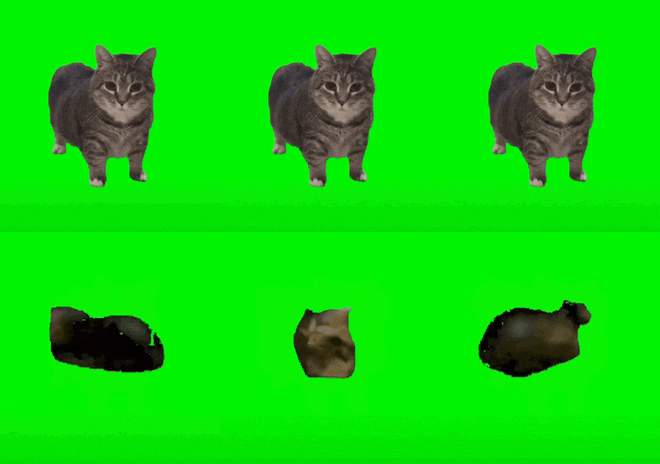
Damn right. AI puts one word after the other because it would most likely end up there. It sounds alright, but it’s a Chinese room type of output – no matter what your AI-loving friend tells you. And let me guess: that friend is SO annoying with their AI bullsh*t, it’s just.. ugh. (If you are that friend – I’m sorry you had to find out this way.)
Anyway, a human puts one word after the other based on a history of felt experiences and emotional decisions that led them to do the writing – a very different data set altogether.
🪲 Being ghosted, misunderstood, fixated, accepted, and seeing a really cool green bug once are all part of the dataset.
There is no logical reason for them to be there when you write, but they are out there because you’re a meatbag. But that is a good thing, because the reader is also a meetbag. Okay, maybe they’re a bit augmented, but still mostly organic.
We’re driven to tiktok, insta reels and questionable confessions on X because we get to see other humans struggle, screw up, show off, and be cringey. We’re made to connect with other humans and to have feelings about the stuff we read. Authentic content creates engagement because we’d like more of that feeling. Once you’ve seen enough posts on the same trend, you get bored of them. Some initial research shows that half the people in the room can already tell when writing is AI-generated and it’s an immediate turnoff.
Do you know what a real turn-off feels like?

AI-generated dating profile descriptions, AI-generated reviews, AI-generated descriptions of places. Would you like to see the ultimate cringe? Just as you’re about to suggest those fake AI ads for boomers on Facebook, let me remind you about the 7th circle of AI-generated hell – LinkedIn. Fish out one LinkedIn corporate ad that sounds like something a human you know would really say out loud, I’ll wait. They are all the same, and we hate them, and we make fun of them, yet we produce more of the same Claude-written slop. There’s no value in repetition of the same lame pattern.
Some nerds already did their research on The effect of AI ad generation on brand attitude. These guys claim that AI-generated ads lead to decreases in consumer perceptions of brand integrity – in other words: yes, we all notice it, and the vibe is off. Does not matter if it’s the words, the visuals, or both. They also claim that it’s important what the leadership is saying and doing about it – customers tend to generally love drama + holding brand leadership accountable. Because we care about connecting with other humans, remember?
If you want your brand, your ad or your book to stand out – keep the human writer quipped with the right AI tools. Use AI for quantity: adaptations, comparison, analytics etc. Keep the meatbag for the original ideas. For now.
What’s your content like?
We created Tuna Can to help humans benefit from AI. AI literacy isn’t just fancy prompts. It’s knowing what tool to use, what to ask, and how to turn the output into something that doesn’t scream “a sad robot wrote this.”
Tuna team
Reach out to via email: ask@tunacan.co